
-
Latest Post
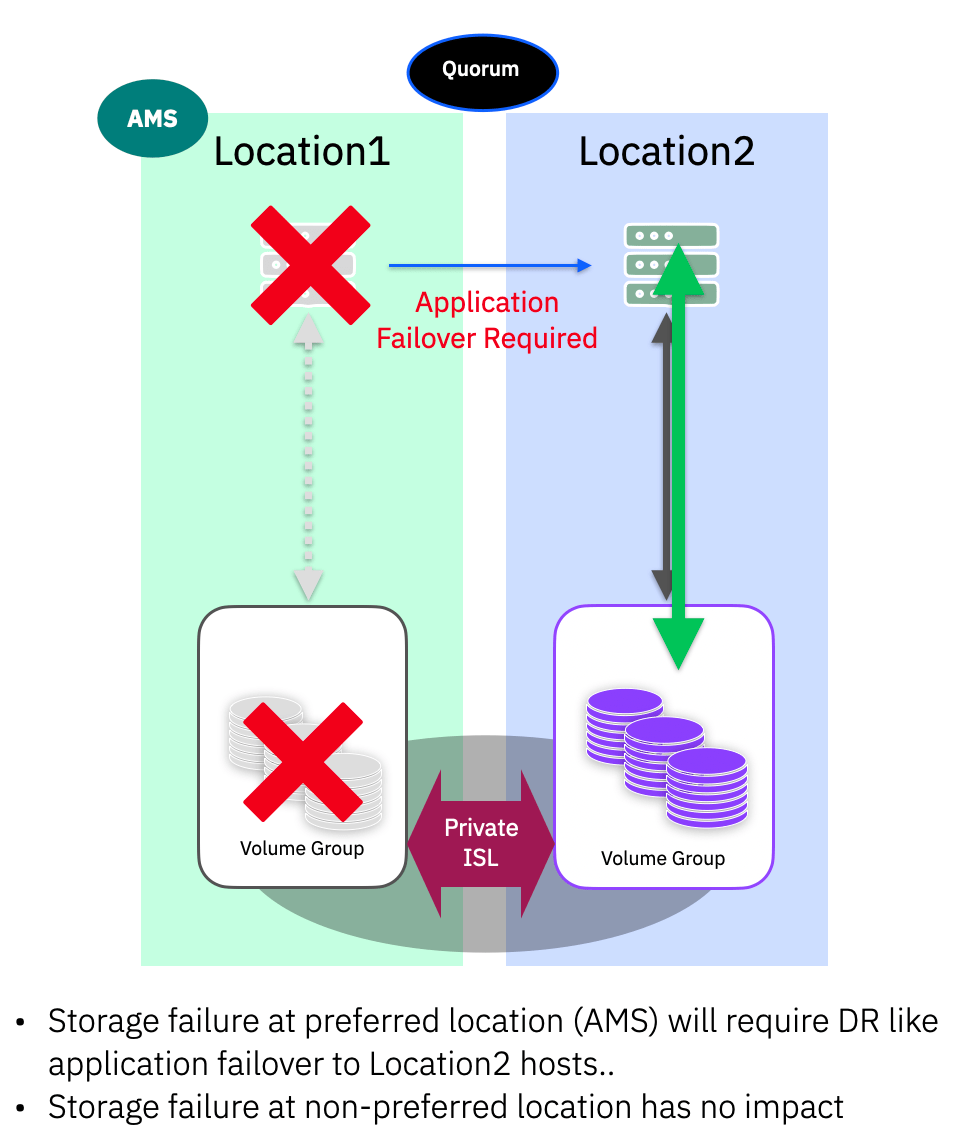
Deployment Models for Policy-based High Availability (PBHA) – Part 3c
In Part1 we saw how partitions form the basic building blocks of PBHA, how to create and manage partitions, some considerations… [Read More]
Previous Posts
-
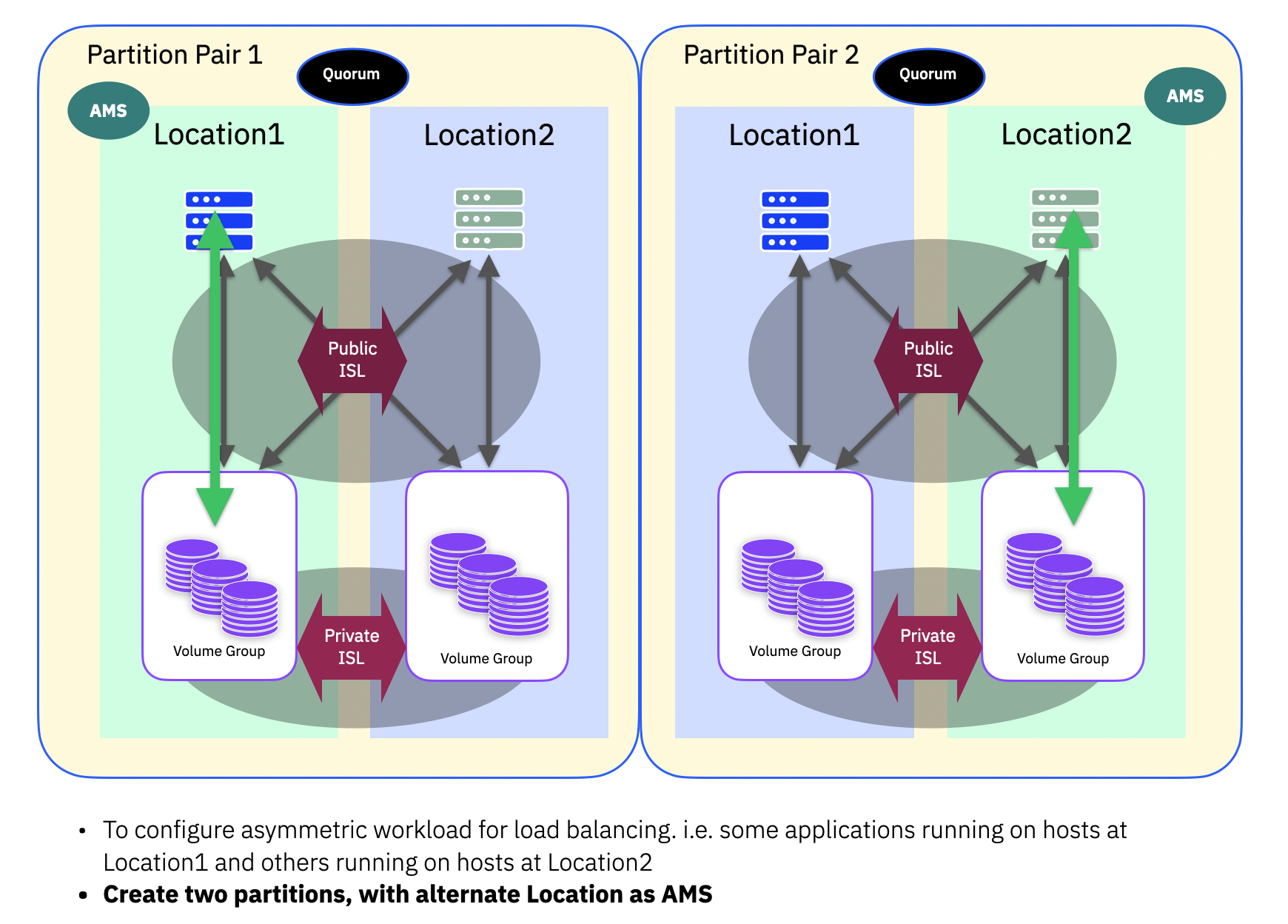
Deployment Models for Policy-based High Availability (PBHA) – Part 3b
In Part1 we saw how partitions form the basic building blocks of PBHA, how to create and manage partitions, some considerations for “getting it right” on day1 and how to make the partition and its objects into a Highly Available Partition. In Part2 we looked at the different types of HA deployment that are possible, from full HA, to HA storage and to DR like HA – including different host access modes, such as uniform and non-uniform. In these final part(s) we look at how each of the types defined in Part2 handle different failure scenarios. Part 3a discussed failure… [Read More]
-
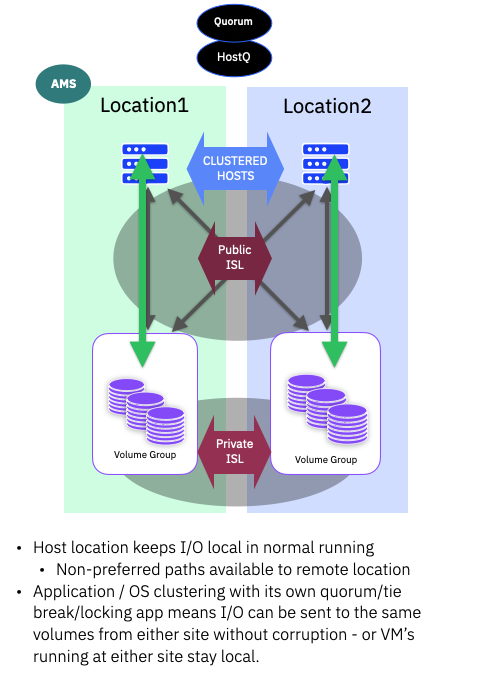
Deployment Models for Policy-based High Availability (PBHA) – Part 3a
A little later than planned, work keeps getting in the way, but here is Part3a – Availability Characteristics In Part1 we saw how partitions form the basic building blocks of PBHA, how to create and manage partitions, some considerations for “getting it right” on day1 and how to make the partition and its objects into a Highly Available Partition. In Part2 we looked at the different types of HA deployment that are possible, from full HA, to HA storage and to DR like HA – including different host access modes, such as uniform and non-uniform. In these final part(s) we… [Read More]
-
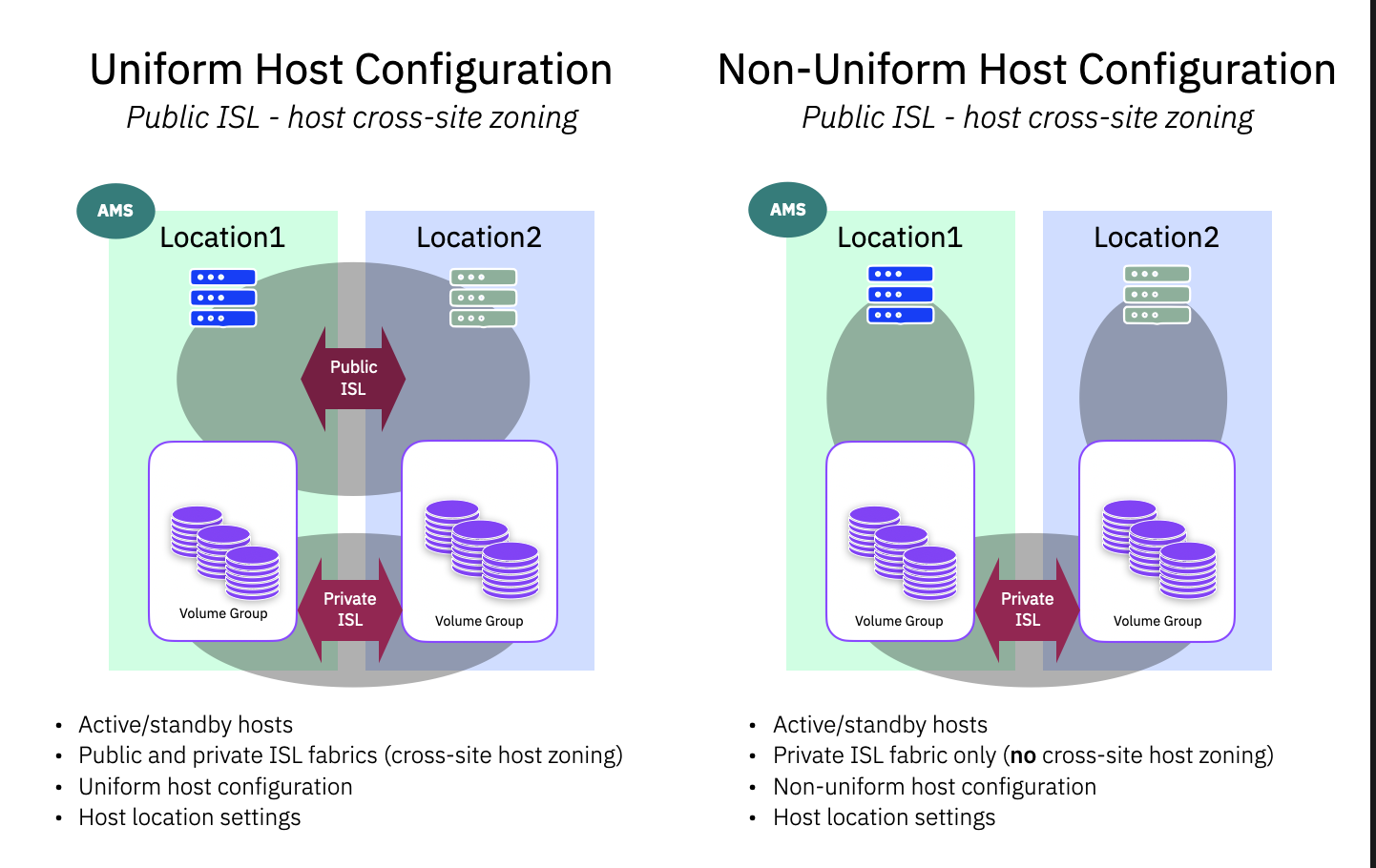
Deployment Models for Policy-based High Availability (PBHA) – Part2
In Part1 we focused on the basics of configuring and managing Partitions and publishing them as Highly Available objects, by attaching a suitable HA policy. Before we look further into some of the potential deployment options, its worth understanding what it is you are trying to achieve while taking into consideration any physical constraints, such as limited, finite or pseudo–unlimited inter-site bandwidth. Just how highly-available is your environment? In a perfect world, your applications, OS and the storage will all be HA capable. The key factor here is the application/OS itself. If your application/OS is clustered, and can have many… [Read More]
-
Deployment Models for Policy-based High Availability (PBHA) – Part1
With the availability of 9.1.0 we have address some of the most commonly requested feature capabilities in PBHA and we are starting to see a lot of requests for help and guidance around potential deployment models and pro’s and con’s of each. [ For example the most of the commonly requested enhancements were expanding volume and host cluster support within partitions. ] One of the things I’ve realised over the years is that High-Availability (HA) means something different to everyone you speak to! Each of us has a preconceived idea of what HA means in our own environment, for example… [Read More]

-
Policy-based Replication is replacing Remote Copy [IBM Support Page]
Andy recently published a support page discussing the in’s and out’s of the move from ‘Remote Copy’ based replication to Policy-based Replication, including High Availability. It’s worth a read and has some useful links and the ‘facts’ around support – in that existing platforms and Remote Copy will continue to be supported for the life of those platforms and as I’ve mentioned before the extremely Long Term Support (eLTS) that is 8.7.0. You can view the details here : https://www.ibm.com/support/pages/node/7166967 In addition, a reminder of a few great posts over the last few years from Chris and Chris – and… [Read More]
-
Introducing Storage Virtualize 9.1.0
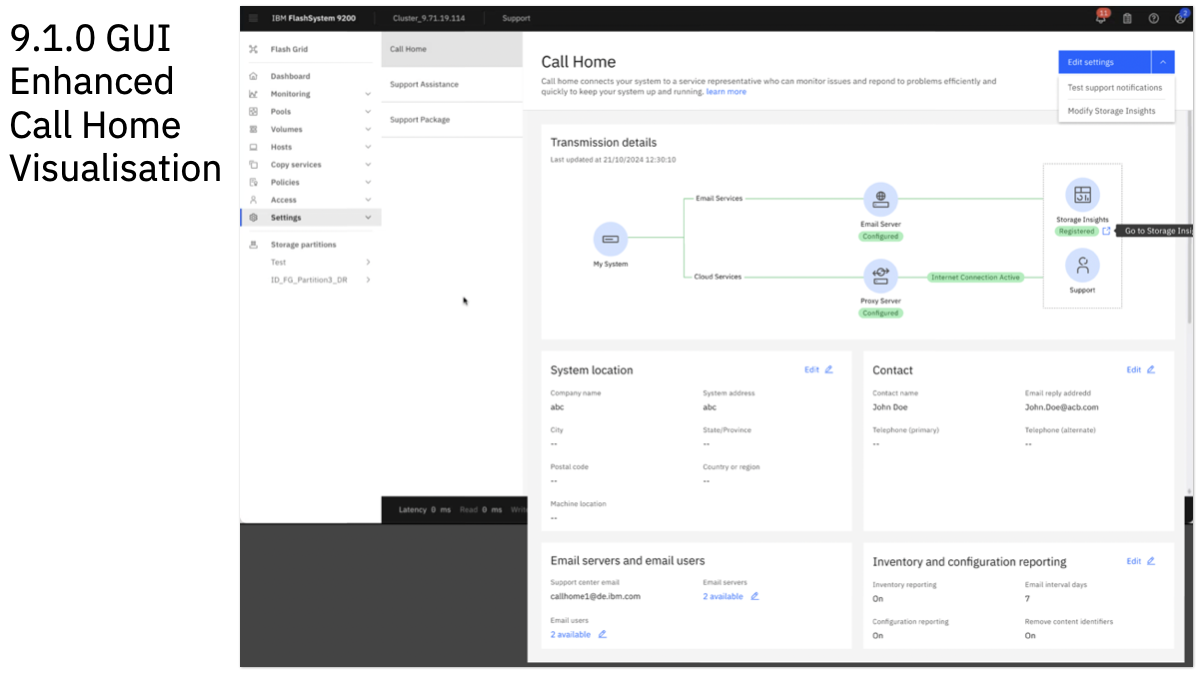
Last week we announced the pending availability (25th July) of v9.1.0 of Storage Virtualize for FlashSystem and SVC platforms. In various “pre-announce” NDA discussions at recent User Groups, a few people queried the version number. Initially I thought people would be asking why v9? However it seems more people were asking “What happened to 9.0?”. Let me start by discussing why v9? With the recent introduction of FlashSystem grid scale out capabilities, the introduction of Storage Partitions and Storage Insights AIops integrations, it was felt that with the introduction of a few key additional capabilities in this release, FlashSystem grid… [Read More]
-
Documentation Changes & Useful Links
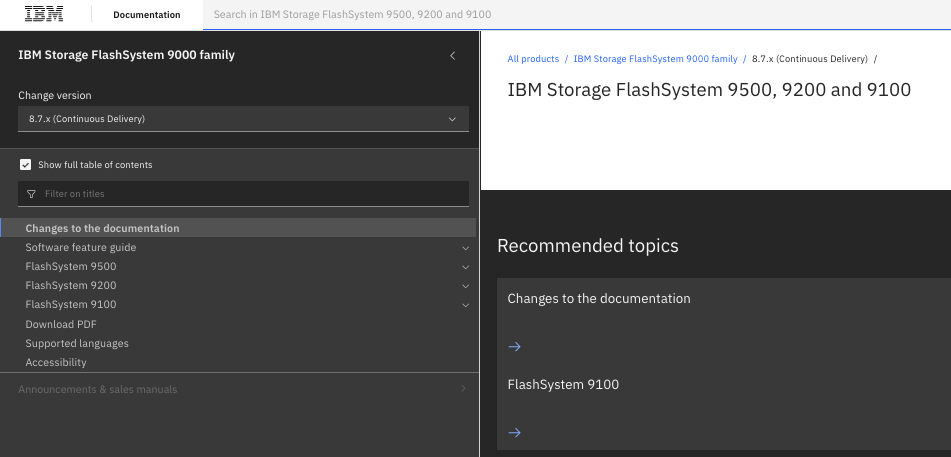
So as stated within this article, we are always looking to improve things, and based on some feedback we tweaked the release links accordingly. No longer will you see the Continuous Delivery releases grouped into one, instead each release has its own set of pages, in addition to the LTS releases. Article updated to reflect this 25th August 2025. Some of you may have noticed that we recently made some (hopefully welcome) changes to the Documentation website. The goal of these changes were to make the information easier to navigate as well as creating a consistent ToC structure across the… [Read More]
-
2025 North American User Groups – Registration Open
Registration for this years North American Storage Virtualize, Inisghts and Defender User Group events is now open. This year the two events will be held in Chicago and Houston and offer a great chance to meet IBM and industry peers for an in-person event featuring conversations with IBM experts from across the entire IBM Storage Family of products. This is a great opportunity for Customers and Business Partners seeking a deeper technical understanding of the architecture and functional characteristics of the IBM Storage Virtualize based products. Specifically SVC and FlashSystem, as well as updates from the Storage Insights team and… [Read More]
-
Introducing the FlashSystem C200
Capacity optimized Flash for lower performance use cases Over the last few years we’ve seen the price of NAND based Flash devices get closer and closer to that of the remaining stalwart of the HDD industry – Nearline high capacity 7.2K RPM drives. There is still a delta, but its now possible to look at replacing racks and racks of spinning disk with QLC based NAND capacity. Enter the FlashSystem C200 Today we introduced a new class of FlashSystem products, starting with the C200. Bringing all the feature/function value propositions of our industry unique FlashCore Modules Gen4 as an alternative… [Read More]


